Rajya Sabha Returns Manipur GST Bill, Delaying GST 2.0 Implementation


Rajya Sabha Returns Manipur GST Bill, Delaying GST 2.0 Implementation
Digital Desk: On December 2, the Rajya Sabha returned the Manipur GST Bill to the Lok Sabha, which seeks to replace a law and integrate the northeastern state into the nationwide GST 2.0 reform framework.
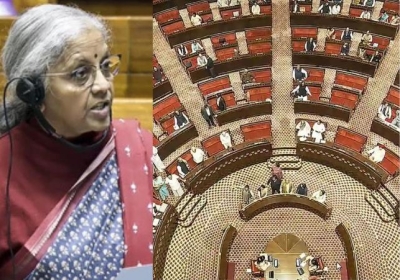
The bill had already been passed by the Lok Sabha the day before. In response to the Upper House debate, Finance Minister Nirmala Sitharaman stated that the legislation would give long-awaited advantages to Manipur's people and companies while also strengthening tax mobilisation in the conflict-affected state.
Sitharaman accused the opposition of crying "crocodile tears" over Manipur while shunning participation in Parliamentary discussions about the state's progress. She claimed that the Opposition had previously boycotted a debate on Manipur's budget and had remained silent during the GST bill debate.
The Finance Minister announced GST 2.0 improvements, including track-and-trace mechanisms and simplified tax slabs, which eliminated the 28% slab and reduced products to 18%. These measures are intended to improve compliance, transparency, and revenue for the Manipur government following a period of no elected leadership.
Sulata Deo, a BJD MP, urged for the lifting of President's Rule in order to hold timely elections, citing India's previous highest GST rate.
YSRCP MP Ayodhya Rami Reddy Alla backed the measure, highlighting lower compliance burdens for long-term development while mentioning a decade-long decline in violence in Manipur, despite current trends showing an increase in casualties. He underlined that long-term peace necessitates resolving regional disparities.
Nominated member Harsh Vardhan Shringla also supported the legislation, stating that a stable and predictable GST regime would attract investment, increase state revenues, and help Manipur's economic recovery at a time when the state is still dealing with ethnic violence between the Meitei and Kuki-Zo communities.
The bill would now go back to the Lok Sabha for final procedural approval before becoming an Act.